
How in-suite heat pumps work
A water-source heat pump moves heat between the suite and a water loop that runs through the building. A boiler adds heat to the loop in winter and a cooling tower removes it in summer. The compressor in each suite does the rest.
Because every unit has a compressor, a reversing valve and its own condensate drain, a heat pump needs a more thorough service than a fan coil.
Who is responsible
It depends on the declaration. In many corporations the unit belongs to the owner while the water loop belongs to the corporation. Whoever pays, a building-wide program is usually the practical answer: one notice, one visit, one report, and no unit left unserviced beside its neighbours.
What a service should cover
- Filter replacement and coil cleaning
- Condensate pan and drain cleaned and tested
- Water flow and temperature difference across the unit
- Compressor amperage compared with the nameplate
- Reversing valve tested in heating and cooling
- Electrical connections, contactor and capacitor checked
- Hoses and isolation valves inspected for leaks
Signs a unit is close to failure
Loud starts, a unit that trips and resets, weak heating or cooling, and water at the base of the cabinet. A unit over twenty years old that shows two of these should be assessed for replacement rather than repaired again.
Tell us the number of suites or units and we will send a written proposal.
Keep reading
Related articles
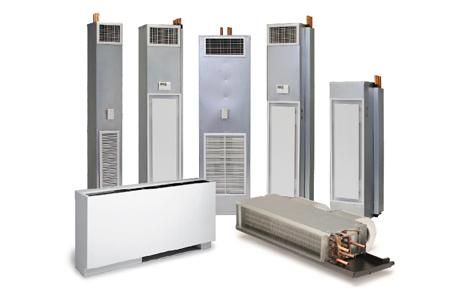
Fan coil maintenance: what a proper annual service includes
A filter change is not a maintenance visit. Here is what should happen in every suite, and what your board should receive at the end.
Read the article →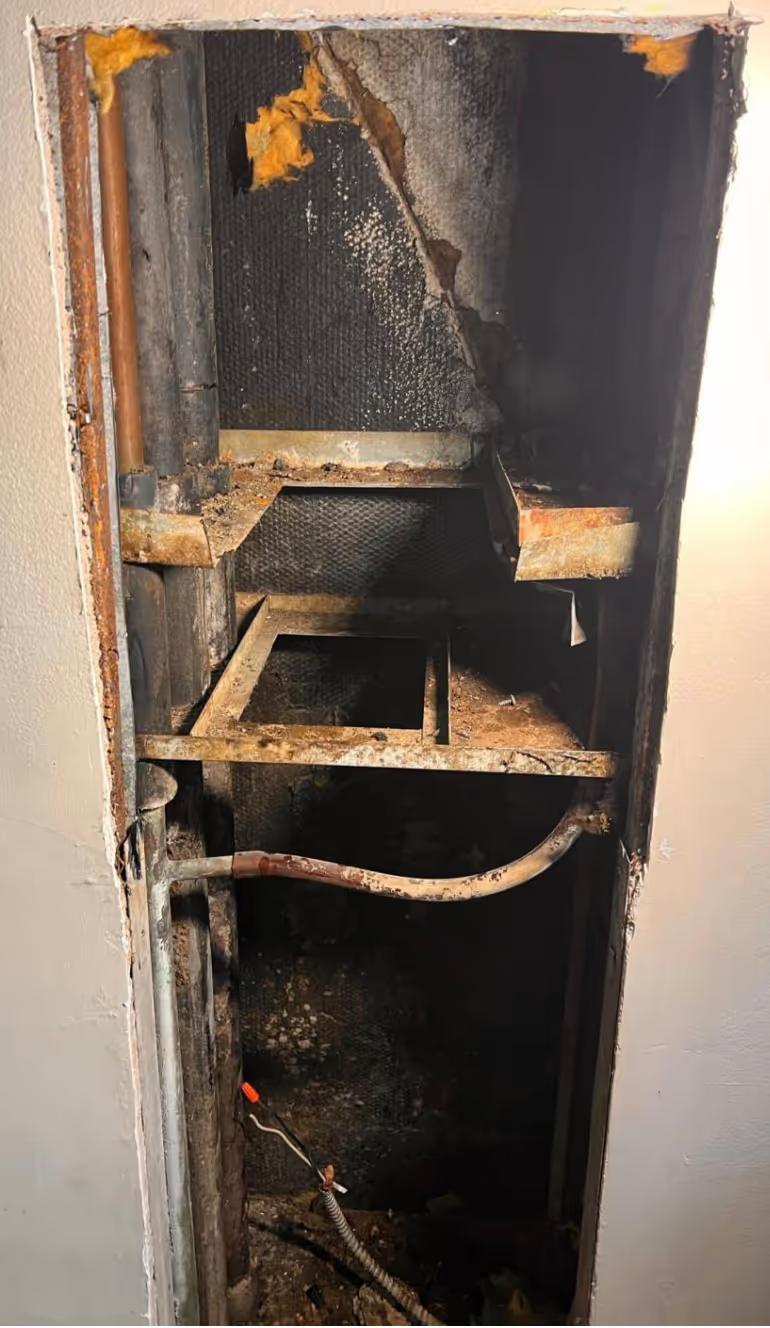
Why fan coil units leak, and how to stop it before the ceiling stains
Four causes explain almost every fan coil leak. Each one gives a warning that a trained eye can spot.
Read the article →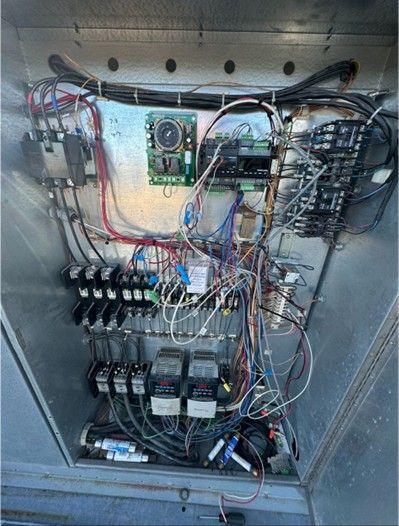
Heat pump repair or replacement? How to decide
A failed compressor does not always mean a new unit, and a cheap repair is not always the economical choice.
Read the article →