
Spring: get ready for cooling
- Replace filters and clean the condenser and evaporator coils
- Check refrigerant pressures and compressor amperage
- Clear the condensate drains and traps
- Inspect belts, pulleys and bearings on supply and exhaust fans
- Test economizer dampers and controls
Fall: get ready for heating
- Inspect the heat exchanger and burners, and test the ignition and safeties
- Check the gas pressure and the flue
- Replace filters and belts that will not last the winter
- Test make-up air units before the first cold week
Exhaust fans are not optional
Kitchen, washroom and garage exhaust fans protect air quality and, in a parking garage, safety. A seized fan often goes unnoticed for weeks. Each visit should include belt tension, motor amperage, bearing condition and, for garages, a test of the carbon monoxide detection that starts the fans.
What to keep on file
A log for each unit: model, serial number, filter sizes, belt sizes and the readings from every visit. It shortens every future repair and gives you the facts when it is time to budget a replacement.
Tell us the number of suites or units and we will send a written proposal.
Keep reading
Related articles
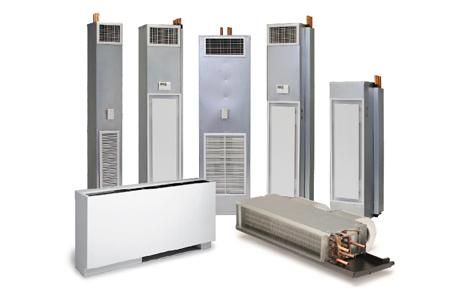
Fan coil maintenance: what a proper annual service includes
A filter change is not a maintenance visit. Here is what should happen in every suite, and what your board should receive at the end.
Read the article →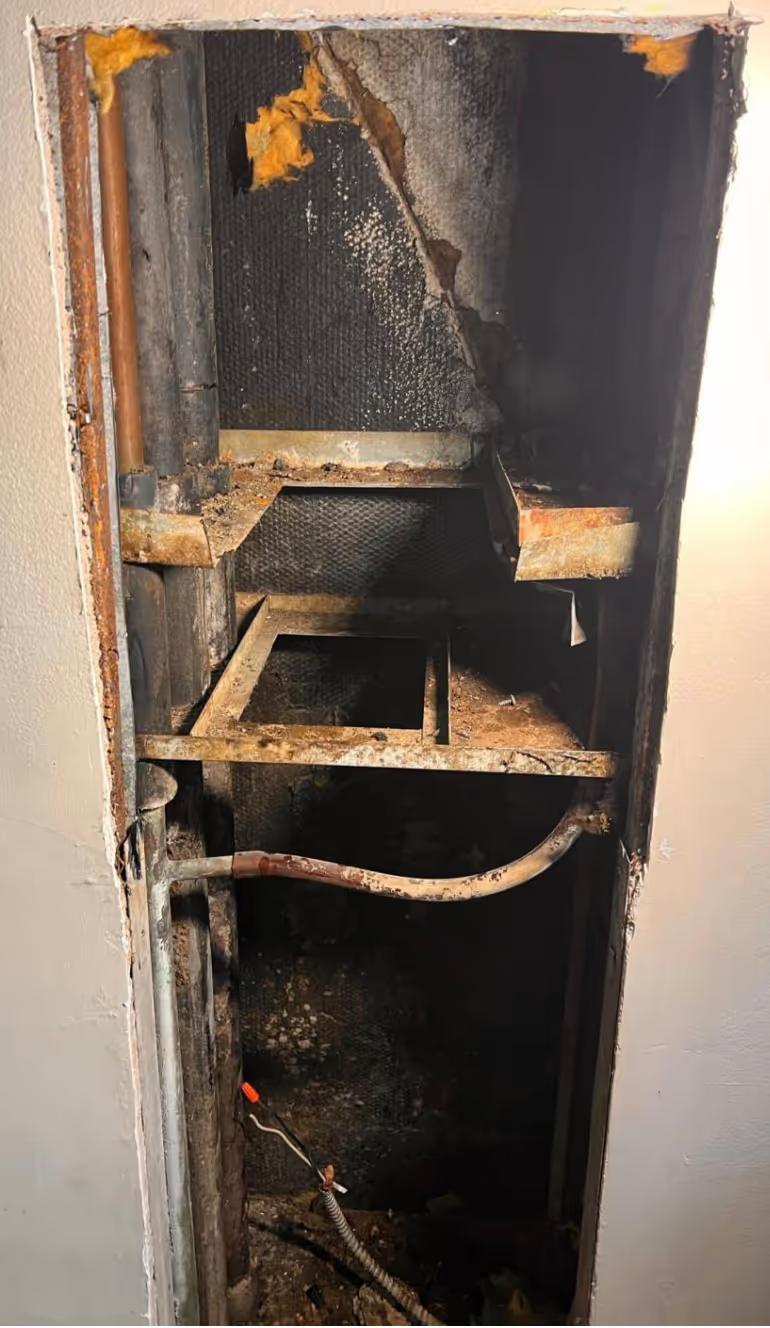
Why fan coil units leak, and how to stop it before the ceiling stains
Four causes explain almost every fan coil leak. Each one gives a warning that a trained eye can spot.
Read the article →
Heat pump maintenance in condos: a guide for boards and property managers
In many Toronto towers each suite has its own water-source heat pump. Who maintains it, how often, and what does a good service cover?
Read the article →